
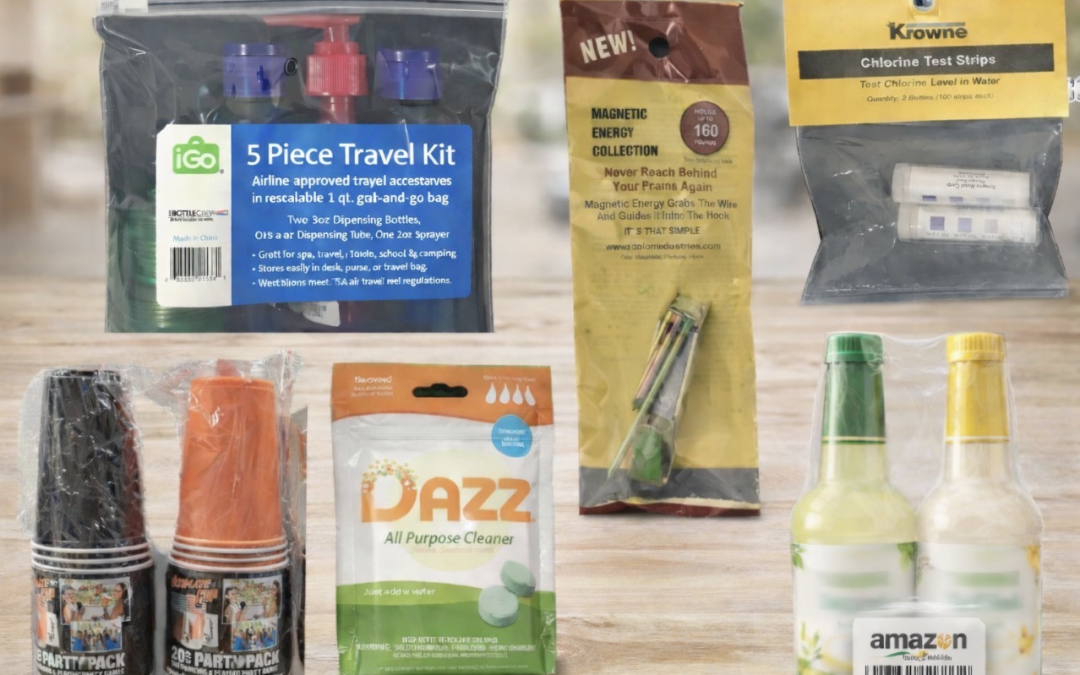
Bagging options include poly bagging, fin-seal bagging, pouch bagging, zip-lock bagging, form-fill-seal bagging or shrink bagging. Depending on the product and the application, bags can be clear or printed and may include features like hang holes for retail display or simple inner packs designed to bundle multiple units together.
Bagging is commonly used in a variety of real-world packaging scenarios. For example, many e-commerce platforms require liquid products to be poly bagged or shrink wrapped to contain potential leaks and protect other items during shipping. Bagging is also frequently used to bundle products together, such as combining multiple stick-pack flavors into a single zip-lock bag to create a convenient variety pack for retail shelves. In other cases, retailers require inner packs, where several units are bagged together so distribution centers can easily break down master cases and restock shelves more efficiently.
Production speed can vary depending on the equipment used. High-speed bagging systems can run up to 125 pieces per minute, while more economical machines operate at lower speeds. The right solution depends on production volume, packaging requirements, and long-term operational goals.
This is where working with an agile co-packer can make a real difference. A co-packing partner with flexible bagging capabilities can adapt to changing retailer requirements, e-commerce compliance needs, and evolving production volumes. Instead of investing in new equipment or adjusting internal workflows, brands can rely on a co-packer to provide the expertise, labor, and infrastructure needed to keep products moving efficiently.
If your brand is exploring bagging as part of your packaging strategy, partnering with an experienced co-packer can help ensure the process is both efficient and scalable. Contact us today to learn more about how our bagging capabilities can support your next project.